Tips for Creating a Productive Home Office Environment

Creating a productive home office environment is essential for anyone working remotely or freelancing. A well-designed workspace can boost your focus, reduce distractions, and improve your overall work performance. Whether you have a dedicated room or a small corner, the right setup and habits can make a big difference. In this post, we’ll explore practical tips to help you create a productive home office that suits your needs.
Choose the Right Location
Consider Natural Light
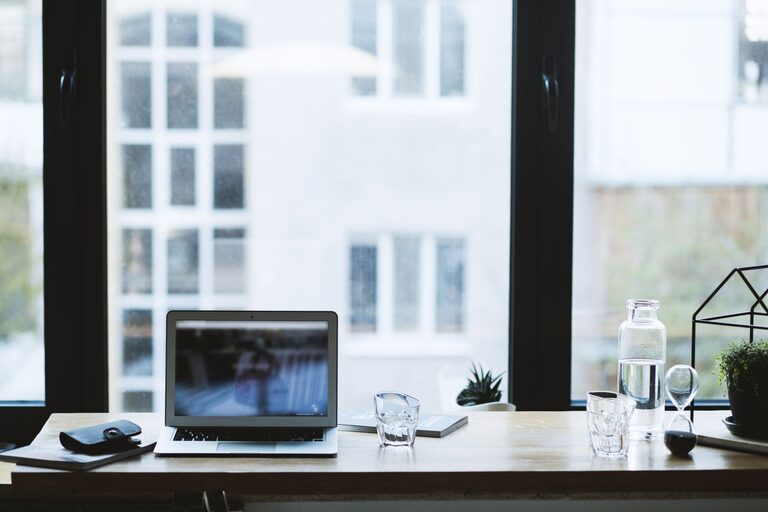
Natural light helps improve mood and alertness. Position your desk near a window if possible. It reduces eye strain and keeps you energized throughout the day.
Minimize Distractions
Pick a quiet spot away from household noise or busy areas. If space is limited, use room dividers or noise-cancelling headphones to create a focused zone.
Invest in Ergonomic Furniture
Comfortable Chair
A good office chair supports your back and promotes good posture. Look for adjustable chairs with lumbar support to prevent discomfort during long hours.
Proper Desk Height
Your desk should allow your elbows to rest at a 90-degree angle when typing. Adjustable desks or standing desk options offer flexibility.
Keyboard and Monitor Placement
Place your monitor at eye level about an arm’s length away. Use a separate keyboard and mouse to maintain a natural wrist position.
Organize Your Workspace
Declutter Regularly
A tidy desk reduces mental distractions. Keep only relevant items on your workspace and store other materials neatly.
Use Storage Solutions
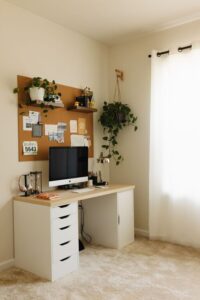
Drawers, shelves, and organizers can keep supplies accessible yet out of sight. Labeling helps find items quickly.
Cable Management
Use clips, sleeves, or ties to keep cords tidy and prevent tangles. It improves safety and creates a cleaner look.
Optimize Lighting
Layered Lighting
Combine ambient, task, and accent lighting. A desk lamp with adjustable brightness supports detailed work without causing glare.
Avoid Screen Glare
Position your monitor perpendicular to windows or use curtains/blinds to control natural light.
Establish Clear Boundaries
Set Work Hours
Define a regular schedule to separate work time from personal life. Communicate your availability to household members.
Create a Ritual
Start your workday with a routine like making coffee or a quick stretch. It helps signal the beginning of focused time.
Designate “No Work” Zones
Keep work out of bedrooms or relaxation areas to maintain balance between work and rest.
Enhance Comfort and Inspiration
Add Personal Touches
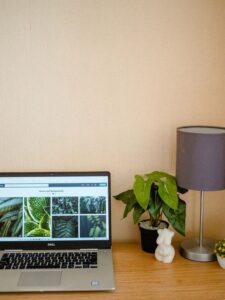
Include photos, plants, or artwork that inspire you without cluttering your space.
Control Temperature and Air Quality
Use fans, heaters, or air purifiers to maintain a comfortable atmosphere.
Incorporate Movement
Use a balance ball chair, standing desk, or take short breaks to stretch and move regularly.
Use Technology Wisely
Reliable Internet Connection
Ensure your internet speed supports video calls and file sharing without interruptions.
Organization Apps
Use calendars, to-do lists, and project management tools to stay on track.
Limit Notifications
Turn off non-essential alerts during deep work to minimize distractions.
Maintain Healthy Habits
Take Regular Breaks
Follow the 20-20-20 rule: every 20 minutes, look 20 feet away for 20 seconds to reduce eye strain.
Stay Hydrated and Nourished
Keep water and healthy snacks nearby to maintain energy levels.
Practice Good Posture
Move and adjust your seating regularly to avoid stiffness and fatigue.
—
Creating a productive home office environment is about more than just furniture. It involves thoughtful planning of your space, good habits, and balancing comfort with focus. By applying these tips, you can set yourself up for success, whether your workday is a few hours or full-time remote.
Remember, your ideal workspace may evolve as your needs change, so remain flexible and open to adjustments. Happy working!